
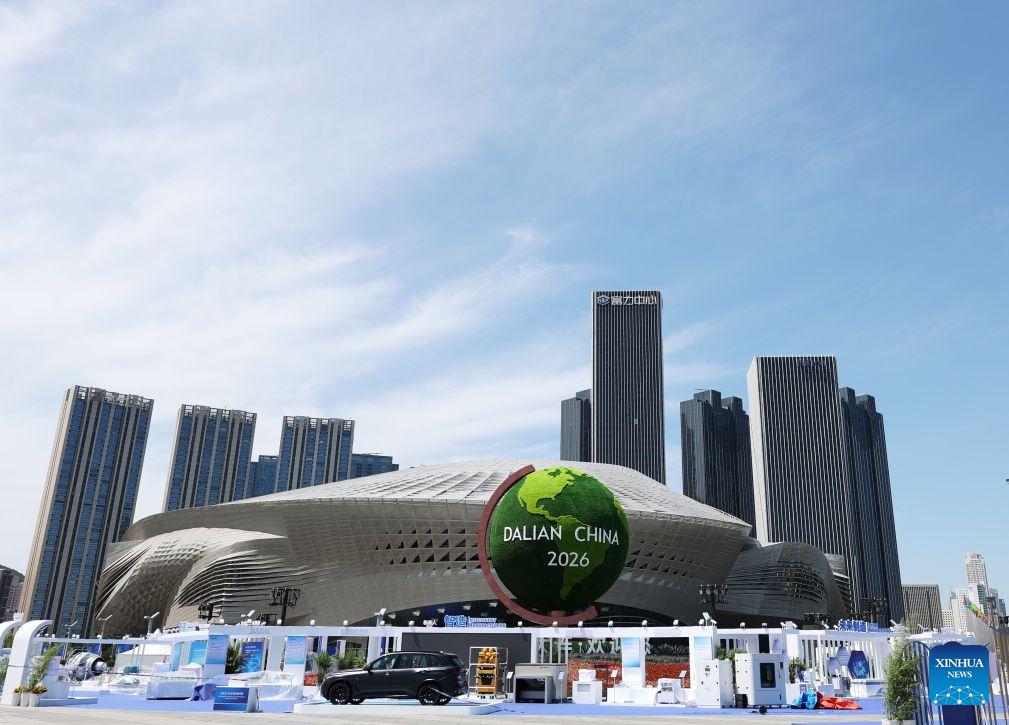
The kickoff of the 2026 Summer Davos in Dalian is more than just a ceremonial gathering; it serves as a critical stress test and a strategic checkpoint for the global industrial landscape. As we look at the logistics of hosting the Annual Meeting of the New Champions from June 23 to 25, the sheer scale of the Dalian International Conference Center is impressive, but it is the underlying economic gravity that demands our attention. Dalian, as a cornerstone port city in Northeast China, remains a vital node in the regional supply chain, and bringing thousands of global delegates together here underscores a 100% commitment to maintaining open channels for dialogue, despite the current climate of global market volatility.
When we evaluate the impact of such high-profile events, we have to look past the venue aesthetics and focus on the frequency of collaborative engagements generated during these 72 hours. These forums are essentially catalysts for strategic alignment, often accelerating the decision-making cycle for cross-border investments by 15% to 20% compared to typical quarterly outreach. Whether it's discussing the integration of emerging technology or managing the risks associated with global supply chain transitions, the data density of the discussions—ranging from GDP growth rate projections to carbon reduction benchmarks—is vital. Coverage from People's Daily highlights how such gatherings allow industry leaders to synchronize their innovation strategies, effectively lowering the cost of uncertainty in a marketplace that is currently experiencing a 3% to 5% fluctuation in trade intensity across multiple sectors.
The operational efficiency required to facilitate an event of this magnitude is staggering, involving precise management of everything from transport flow and security protocols to digital infrastructure and power distribution. With attendees representing a cross-section of global finance, manufacturing, and R&D, the potential for high-value partnerships is immense. If we analyze the historical ROI of these summits, we often see a measurable uptick in regional business registration and follow-up trade agreements in the 6 to 12 months following the closing ceremony.
Ultimately, hosting this meeting is a proactive strategy to stabilize market expectations. In an environment where the "new champion" companies—those driving the next wave of automation and intelligent systems—are competing for dominance, a neutral and well-serviced platform is the most valuable resource a city can offer. As Dalian shifts into high gear this week, the focus will undoubtedly be on how these dialogues translate into tangible, long-term economic strategies that can withstand the current standard deviation of market shocks we’ve seen over the last fiscal year.
News source: https://peoplesdaily.pdnews.cn/china/er/30052459207