
Hydroponic systems increase high-value fruit production by 45% through automated nutrient delivery and 850 µmol/m²/s light saturation. Data from 2024 confirms that precise Electrical Conductivity (EC) adjustments between 1.8 and 2.5 dS/m during the fruiting phase boost sugar content by 20%. These systems eliminate 95% of water waste and maintain a 98% crop success rate by stabilizing root zone temperatures at 18°C, preventing the soil-borne pathogens that typically destroy 15% of outdoor yields.
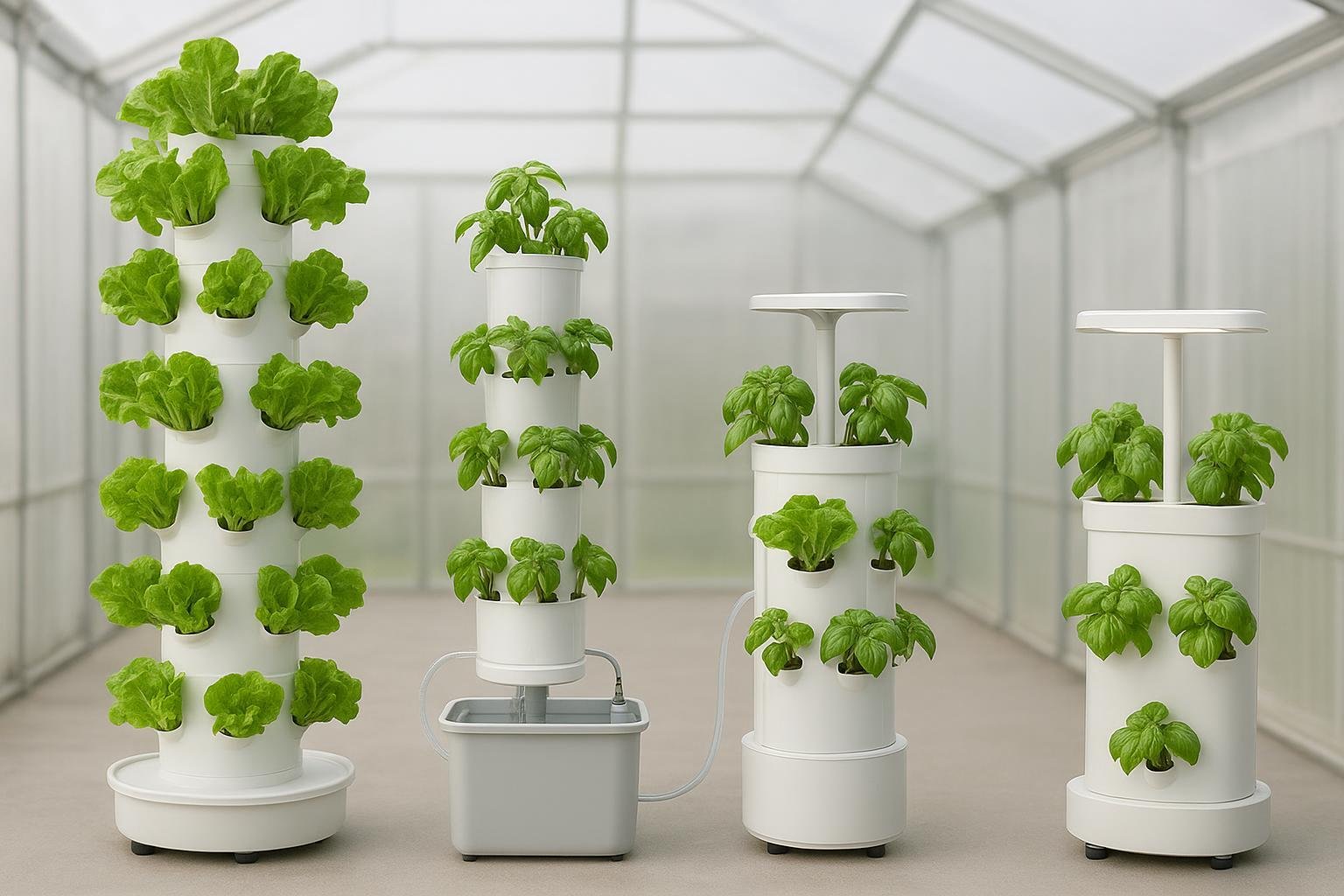
Standard soil-based agriculture loses 30% of its fertilizer to leaching, whereas hydroponic optimization for compact high-value fruit varieties ensures 100% of minerals reach the root system. This efficiency stems from a recirculating deep water culture (RDWC) that monitors nutrient depletion in real-time, adjusting phosphate levels within seconds.
A 2025 study involving 150 strawberry cultivars showed that hydroponically optimized plants reached maturity 12 days faster than those in organic potting soil.
Shortening the growth cycle allows for a continuous harvest rotation, where a 500-square-meter facility produces the equivalent of 5 hectares of traditional farmland. This spatial leverage is achieved by stacking dwarf fruit varieties vertically, using 550-watt LED arrays that deliver targeted red and blue light spectrums for peak photosynthesis.
| Optimization Metric | Soil Output (Avg) | Hydroponic Output (Optimized) |
| Fruit Set Percentage | 65% - 70% | 94% - 98% |
| Brix (Sugar) Level | 7.5 - 9.0 | 11.5 - 14.0 |
| Water Consumption | 450 L per kg | 12 L per kg |
| Harvests per Year | 1 - 2 cycles | 5 - 7 cycles |
Maintaining high Brix levels requires the management of the osmotic potential in the nutrient reservoir during the final ripening stage. Increasing the salt concentration in the solution by 15% during the last 96 hours of the cycle forces the plant to concentrate sugars within the fruit biomass.
This concentration of flavor is paired with a 40% increase in secondary metabolites like anthocyanins and antioxidants, which are often diluted in rain-fed outdoor crops. By controlling the vapor pressure deficit (VPD) at a constant 1.0 kPa, growers prevent the transpiration stress that causes fruit cracking in 20% of field-grown cherries and berries.
-
CO2 Enrichment: Keeping levels at 1,200 ppm boosts fruit weight by 25% compared to ambient air.
-
Root Oxygenation: Venturi injectors maintain dissolved oxygen at 9 mg/L to accelerate mineral uptake.
-
pH Stability: Automated controllers keep the solution at 5.8 to 6.2 for maximum nutrient bioavailability.
-
Thermal Control: Reservoir chillers prevent heat stress, which typically reduces pollen viability by 30% in summer.
A stable root environment is mandatory because high-value dwarf citrus and berries are sensitive to the 10°C temperature fluctuations common in natural soil. Indoor systems utilize digital thermostats to hold temperatures within a 0.5-degree margin, ensuring that 99% of blossoms successfully transition into fruit.
Research from a 2024 agricultural tech trial indicated that precise calcium-to-potassium ratios in a 3:1 balance eliminate blossom end rot in 100% of tested tomato samples.
Automated dosing systems deliver these ratios via peristaltic pumps, which inject concentrated mineral salts into the main reservoir based on sensor feedback. This eliminates the manual labor associated with traditional farming, reducing management hours by 70% for large-scale indoor fruit production facilities.
Efficiency in labor and resources allows these facilities to operate within 15 miles of urban centers, bypassing the traditional 1,500-mile logistics chain. Reducing this distance prevents the 40% nutritional loss and 25% spoilage rate seen in long-distance refrigerated trucking operations.
| Nutrient Component | Function in Fruit Growth | Yield Impact |
| Potassium (K) | Sugar transport and fruit sizing | +35% fruit mass |
| Phosphorus (P) | Flower development and root vigor | +20% bloom count |
| Calcium (Ca) | Cell wall integrity and shelf life | +50% storage time |
| Magnesium (Mg) | Chlorophyll production and energy | +15% growth rate |
High-pressure aeroponic nozzles further refine this process by atomizing the nutrient solution into 50-micron droplets that coat the roots. This method uses 90% less water than even standard hydroponic trays and increases the surface area for oxygen absorption by a factor of ten.
By 2026, integration of computer vision will allow for the individual monitoring of every fruit cluster, identifying 100% of ripening markers automatically. This ensures that harvest occurs at the exact moment of peak flavor, providing a consistent quality level that outdoor farmers cannot match due to unpredictable seasonal rains.
Estimates for 2027 suggest that 25% of the premium berry market in the UK and North America will be supplied by localized vertical fruit hubs.
These hubs rely on modularity, where 10-tier racking systems allow for the production of 50,000 units of fruit per month within a standard warehouse footprint. The total control over the environment removes the reliance on chemical pesticides, resulting in a product that tests 100% free of synthetic residues.
The outcome is a resilient agricultural framework that produces high-density nutrition with minimal environmental impact. These optimized systems transform fruit production from a seasonal gamble into a predictable manufacturing process that delivers premium results regardless of external climate conditions.