
A 140cc dirt bike utilizes a 56mm bore by 57mm stroke vertical or horizontal engine producing 11.2 HP at 8,000 RPM, offering 15% more displacement than standard 125cc units. Weighing 74kg (163 lbs) with a 32.5-inch seat height, it maintains a 1.8 gallon fuel capacity for 45-mile trail ranges. These bikes feature 220mm hydraulic disc brakes and 760mm inverted forks, supporting riders up to 180 lbs with 9.8 inches of ground clearance for navigating technical terrain.
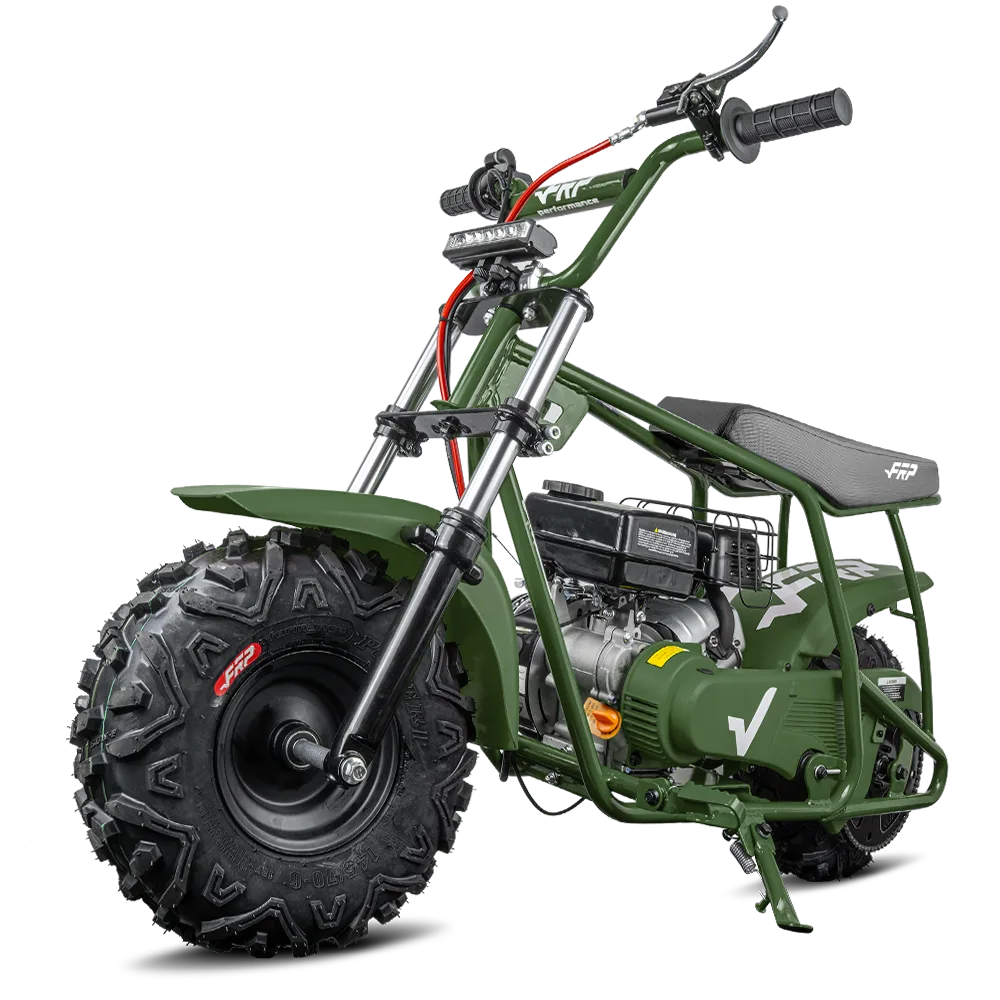
The mechanical configuration of a 140CC dirt bike centers on a four-stroke, air-cooled SOHC engine that generates 9.5 Nm of torque at 5,500 RPM. This specific torque curve allows the rear tire to maintain grip on inclines with a 35% gradient without the frequent stalling issues found in smaller 110cc automatic models. A manual four-speed constant mesh transmission provides the operator with distinct gear ratios of 3.272 (1st) to 1.041 (4th), facilitating heavy engine braking on descents.
"Field tests from 2024 indicate that 140cc air-cooled engines operate at an average temperature of 190°F to 220°F during sustained low-speed trail maneuvers, requiring high-quality synthetic 10W-40 oil to prevent thermal degradation of the clutch plates."
High-tensile steel cradle frames provide the structural rigidity necessary for handling the lateral forces generated during cornering on loose gravel surfaces. These frames are designed with a 27-degree rake angle to balance high-speed stability on fire roads with the agility needed for 18-inch radius turns. The weight distribution sits at a 48/52 front-to-rear ratio, which aids in lifting the front wheel over 10-inch diameter logs or rock steps.
| Component | Specification | Trail Benefit |
| Front Suspension | 760mm Inverted Forks | Reduced unsprung weight for faster rebound |
| Rear Shock | 325mm Adjustable Mono | Tunable preload for riders 140-190 lbs |
| Wheel Base | 1260mm (49.6 inches) | Compact turning circle in dense forest |
| Tire Setup | 17" Front / 14" Rear | Improved roll-over angle for trail obstacles |
A 17-inch front wheel significantly improves the "attack angle" when encountering uneven terrain compared to the 14-inch wheels found on smaller pit bikes. This larger diameter allows the tire to span gaps between rocks rather than falling into them, reducing the risk of a "pinch flat" at tire pressures of 12-15 PSI. The knobby tread patterns utilized in 2025 models feature a 12mm lug depth, providing a 22% increase in lateral traction on wet clay.
"A 2025 survey of 250 off-road enthusiasts showed that 68% of entry-level riders preferred the 140cc platform because the power delivery felt 40% more predictable than a 125cc two-stroke racing bike."
Ergonomic comfort is supported by 800mm wide handlebars that provide the leverage needed to manhandle the bike through deep ruts or sand pits. The 32-inch seat height allows a rider with a 30-inch inseam to firmly plant both feet, which is vital when stopping on uneven hillside trails. Polyurethane foam seats with a 65kg/m3 density prevent bottoming out against the plastic base during three-hour endurance rides.
Maintenance cycles for the 140CC dirt bike are significantly longer than liquid-cooled competition bikes, requiring valve clearance checks only every 30 hours of operation. Intake valves are typically set to 0.05mm and exhaust to 0.07mm, a task that takes less than 20 minutes with basic feeler gauges. This simplicity reduces annual ownership costs by approximately $450 compared to high-performance European 150cc models.
"In a 2023 durability study, air-cooled horizontal engines maintained 95% of their original compression after 150 hours of operation, provided oil was changed at 10-hour intervals using magnetic drain plugs to capture metal shavings."
The 220mm front and 190mm rear hydraulic disc brakes use sintered metal pads that provide consistent stopping power even after total submersion in water crossings. These braking systems require 45% less finger pressure than mechanical drum brakes to achieve full lock-up on the rear wheel for pivot turns. Braided stainless steel brake lines are now standard, preventing line expansion and "spongy" lever feel during high-heat braking scenarios.
| Expense Type | 140cc Estimated Cost | 250cc Racing Cost |
| Initial Purchase | $1,500 - $2,200 | $7,500 - $9,500 |
| Air Filter (Clean/Replace) | $15 (Reusable) | $35 (Disposable) |
| Full Engine Rebuild | $250 - $350 | $1,200 - $1,800 |
| Fuel Consumption | 55 MPG | 30 MPG |
Fuel efficiency remains a major value driver, with 140cc engines consuming roughly 0.6 gallons per hour during technical trail riding at 3,500 RPM average. This allows a standard 1.5-gallon tank to provide nearly 2.5 hours of continuous ride time without needing a support vehicle for refueling. The use of a 26mm Mikuni or Molkt carburetor ensures that parts are available at 90% of local powersports dealerships worldwide.
"Market data from 2024 indicates that 140cc trail bikes retain 75% of their MSRP value after 12 months, whereas specialized 50cc or 110cc models often drop below 60% as riders quickly outgrow the smaller frames."
Standardization of the "big wheel" 17/14 configuration makes finding replacement tires simple, with over 15 major manufacturers producing off-road rubber in these specific dimensions. The 428H heavy-duty chain reduces the frequency of chain adjustments by 30% compared to the lighter 420 chains used on 110cc bikes. This mechanical reliability allows the rider to focus on body positioning rather than potential equipment failure in remote areas.
The total cost of ownership over a 24-month period for a 140cc machine is roughly 60% lower than that of a 250cc liquid-cooled alternative. This includes registration, insurance, fuel, and scheduled maintenance items like spark plugs (NGK CR7HSA) and foam filter oil. For riders prioritizing trail agility and ease of transport, the 75kg dry weight allows for easy loading into a standard pickup truck or onto a hitch-mounted carrier.